
Turmeric Benefits: Ayurvedic Uses, Dosage & Precautions
Medical Disclaimer
This content is for educational purposes only and not medical advice. Consult a qualified physician or Ayurvedic practitioner before using concentrated supplements to safely experience turmeric benefits, especially if you are pregnant, taking medication, or managing a health condition.
Consult a practitioner
Turmeric benefits mostly come down to one compound: curcumin, the pigment that gives the root its color and most of its documented effects. Some of what turmeric is known for comes from centuries of Ayurvedic use. Some of it comes from newer clinical research, and the two don’t always agree on how strong the turmeric benefits really are. This guide walks through both, along with practical uses, dosage, and the precautions worth knowing before you add it to your routine.
I keep a jar of turmeric on my kitchen counter instead of tucked away in the spice cabinet, mostly because I reach for it that often, whether it’s stirred into warm milk before bed or added to a pot of dal. That habit is what got me curious enough to actually read the research behind it, rather than just trusting what I’d heard growing up.
✓
Turmeric Benefits at a Glance
6 Key Insights
01
02
03
04
05
06
What Is Turmeric?
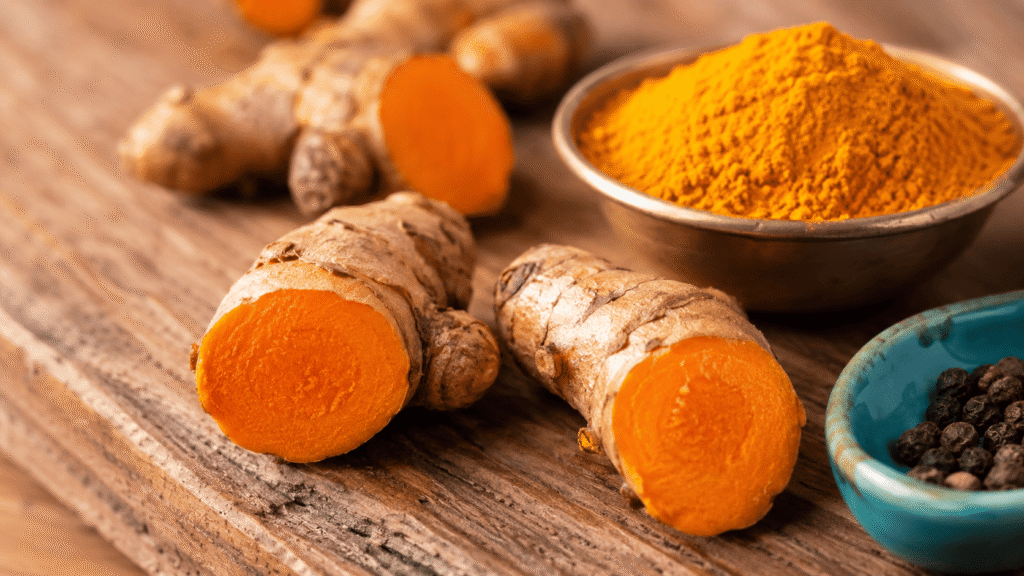
Turmeric comes from the root of the Curcuma longa plant, grown widely across South and Southeast Asia. In Sanskrit it’s called “Haridra,” and in Hindi, “Haldi.” Ayurveda has used it for thousands of years, not as an occasional remedy, but as a kitchen staple with a medicinal role built in.
Pure turmeric powder contains around 2 to 5 percent curcumin by weight, alongside a mix of essential oils that give it its warmth and depth of flavor. Curry powder, by comparison, contains far less curcumin, since it’s usually a small fraction of a larger spice blend.
🌿 Explore Deeper Ayurvedic Care
Want to learn how Ayurveda purifies the body from within?
Discover how classical purification therapies work alongside daily herbs like turmeric in our complete guide:
What Are the Main Turmeric Benefits?
Below are the turmeric benefits that show up most often, both in Ayurvedic tradition and in modern clinical research. The strength of evidence varies quite a bit from one to the next, so I’ve tried to be specific about what’s actually been studied.
1. Joint Comfort and Inflammation
Of all the turmeric benefits discussed here, this is the one with the most clinical research behind it. Several randomized trials have compared curcumin supplements directly against NSAIDs like diclofenac for knee osteoarthritis and found similar pain reduction with fewer digestive side effects. A separate 2017 PubMed meta-analysis on curcumin for knee osteoarthritis found curcuminoids reduced knee pain more than placebo, though somewhat less than ibuprofen, specifically. Researchers studying this area consistently note that trial quality is still mixed, so it’s fair to call the evidence promising rather than settled.
2. Digestion and Bloating
Turmeric is a traditional digestive aid in Ayurveda, used to stimulate bile flow and ease bloating after meals. Clinical research on digestion specifically is thinner than the joint-pain research, though small studies have looked at turmeric for symptoms like dyspepsia with some positive results.
3. Skin Health
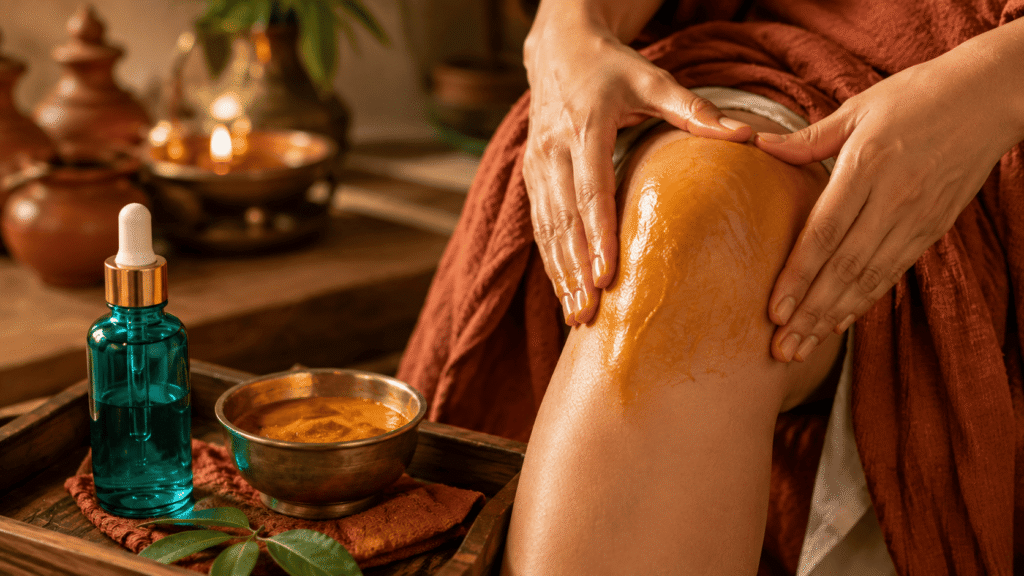
A turmeric and gram flour paste is a common home remedy across Indian households for acne and dullness. Curcumin’s antioxidant and antimicrobial properties are the likely reason, though most of the supporting research here comes from smaller or topical studies rather than large clinical trials.
4. Blood Sugar Support
Curcumin has been studied for its role in insulin sensitivity, and early research suggests it may support healthier blood sugar regulation. This is one of the more closely watched turmeric benefits for people managing metabolic health, though it’s an area worth watching rather than relying on. It shouldn’t replace prescribed diabetes medication, and anyone managing blood sugar with medication should loop in their doctor before adding a concentrated curcumin supplement.
5. Heart Health
Some research has linked curcumin to modest improvements in cholesterol markers, though results vary across studies and populations. Heart-related turmeric benefits are still considered modest by researchers, and combined with its anti-inflammatory profile, this makes turmeric a reasonable supportive addition for heart health rather than a standalone treatment.
6. Mood and Brain Health
This one deserves a clear caveat. Laboratory and animal studies suggest curcumin may influence brain function, but the U.S. National Center for Complementary and Integrative Health notes that these effects haven’t been reliably demonstrated in human clinical trials for conditions like dementia (NCCIH, Myth-Busting Digest). Small trials on mood have shown some encouraging results, but the research base behind these particular turmeric benefits is still limited.
7. Liver Health
Ayurveda has traditionally used turmeric to support liver function, and it’s often included in liver-focused herbal formulations. Modern safety data is more cautionary here than supportive: NCCIH notes that highly bioavailable curcumin formulations, the kind engineered for better absorption, have in rare cases been linked to liver injury, which is a good reason to use standard preparations and watch for symptoms like unusual fatigue or yellowing skin.
8. PMS and Menstrual Comfort
In Ayurveda, turmeric is used to ease PMS-related discomfort, tied to its calming effect on Vata and Pitta imbalance during the menstrual cycle. Formal clinical research on turmeric specifically for PMS is limited, so this benefit rests more on traditional use than on strong trial data.
9. Immune Support
Curcumin has known immune-modulating properties in laboratory research, meaning it appears to influence how the immune system responds to inflammation. This is part of why turmeric shows up in so many traditional cold and flu remedies across Ayurveda, though human trial data on immunity specifically remains limited.
10. Wound and Skin Care
Ayurveda has long used turmeric paste on minor cuts and skin irritation, valuing its antiseptic and anti-inflammatory reputation. This is traditional practice, not a substitute for proper wound care. For burns, deep cuts, or anything that looks infected, see a doctor rather than relying on a home remedy, since delaying appropriate treatment carries real risk.
How to Use Turmeric in Ayurveda
Turmeric, known as “Haridra” in Ayurveda, has long been used as both a culinary spice and traditional herb. Many of the traditional turmeric benefits are linked to its Ayurvedic properties and everyday use. In Ayurvedic practice, turmeric is considered Ushna, or heating, in potency and is traditionally used to help pacify Kapha and Vata doshas.
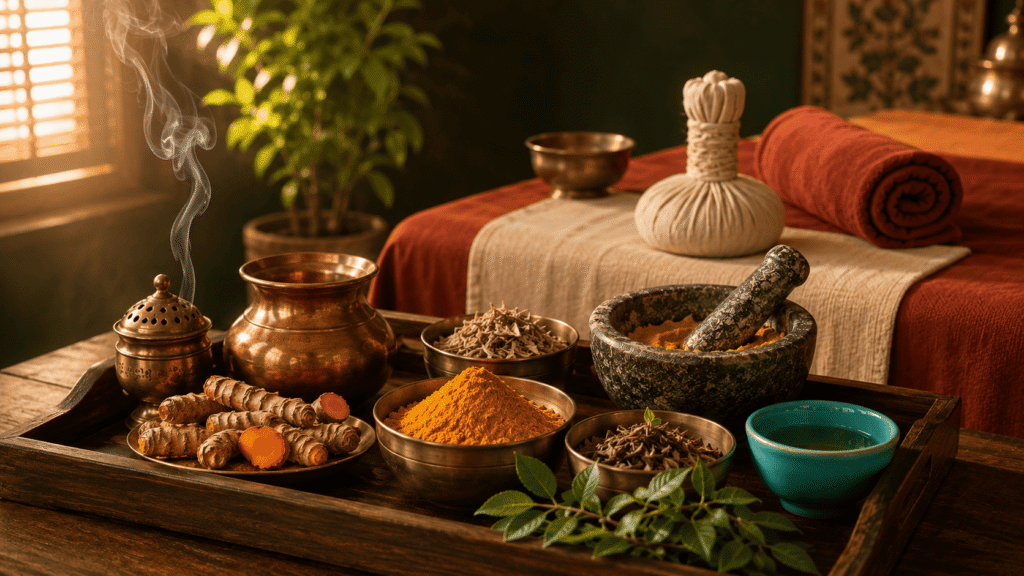
It is also associated with supporting Agni, the digestive fire, and clearing Ama, which Ayurvedic texts describe as toxic residue from incomplete digestion.
These are Ayurvedic concepts rooted in a traditional framework rather than modern biomedical mechanisms. They help explain how turmeric is traditionally used, while clinical research provides a separate way to evaluate its potential effects.
Everyday Turmeric Uses
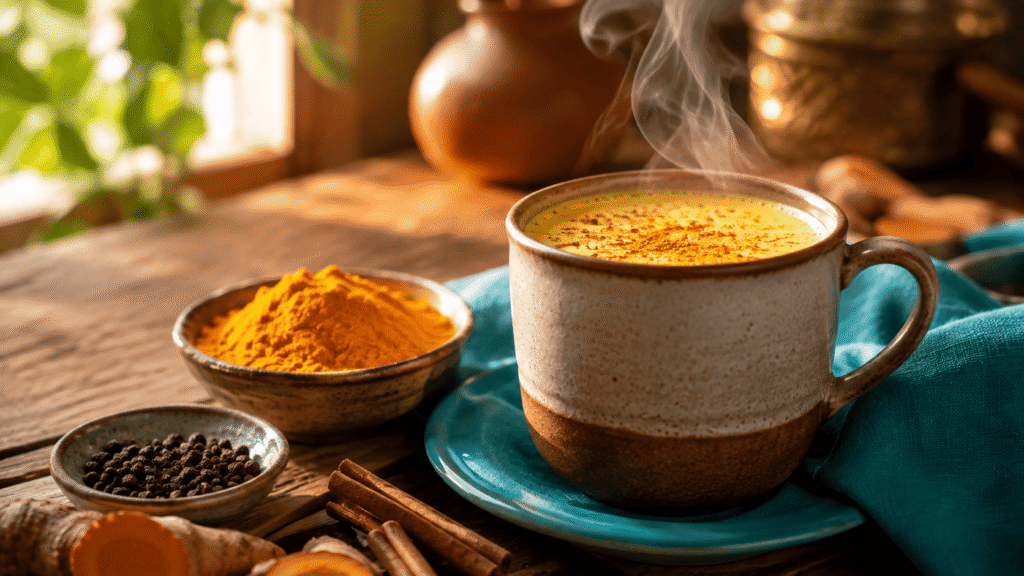
You don’t need a supplement bottle to include turmeric in your routine. Common traditional and everyday turmeric uses include:
- Golden milk: Warm milk with turmeric, black pepper, and a little ghee
- Cooking: Added to dals, curries, rice, and other dishes for flavor and color
- Turmeric water: A small amount stirred into warm water
- Face masks: Mixed with yogurt or gram flour for traditional topical use
- Turmeric tea: Simmered with ginger and honey
Black pepper is also commonly paired with turmeric. Its active compound, piperine, can increase curcumin absorption, which is one reason the combination appears in many turmeric preparations.
These everyday uses can provide turmeric as part of a regular diet, but the amount used in food is very different from a concentrated supplement. If you’re considering turmeric specifically for its potential benefits, the form and amount you take matter.
🌿 Deepen Your Ayurvedic Detox Knowledge
Clear Ama & Restore Agni With Panchakarma Therapy
Explore the full step-by-step process, key benefits, and what to expect during traditional Ayurvedic therapy.
How Much Turmeric Should You Take?
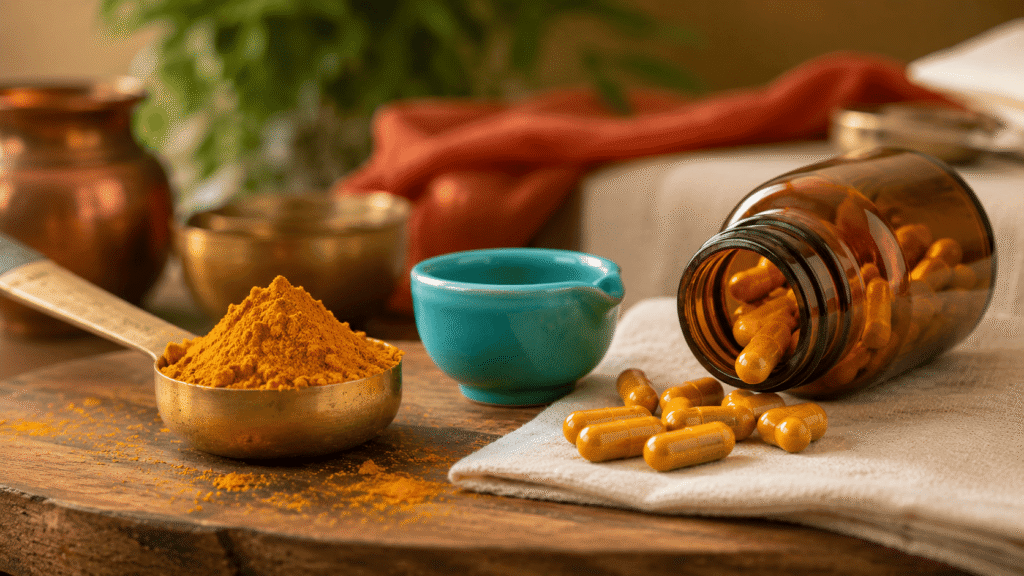
Turmeric powder and curcumin supplements are dosed very differently, and mixing up the two is one of the more common mistakes people make when trying to get real turmeric benefits from either one.
A commonly cited traditional guideline for turmeric powder is around 1 to 3 grams a day, roughly a quarter to half a teaspoon, often taken in divided amounts with warm milk or water. This is a traditional dosing range rather than a figure drawn from a specific clinical trial, so treat it as a starting reference rather than a strict prescription.
Curcumin extracts are a different matter entirely. Formulations vary enormously in concentration and absorption, and a 500 mg capsule of one brand may deliver a very different amount of active curcumin than another. According to NCCIH, conventionally formulated oral turmeric or curcumin appears likely safe in typical amounts for up to two to three months, though evidence supporting long-term use at higher doses is still limited (NCCIH: Turmeric – Usefulness and Safety). If you’re considering a concentrated supplement, check the label for actual curcuminoid content rather than assuming the capsule size tells you much about the turmeric benefits you’ll actually get.
Turmeric Side Effects and Precautions
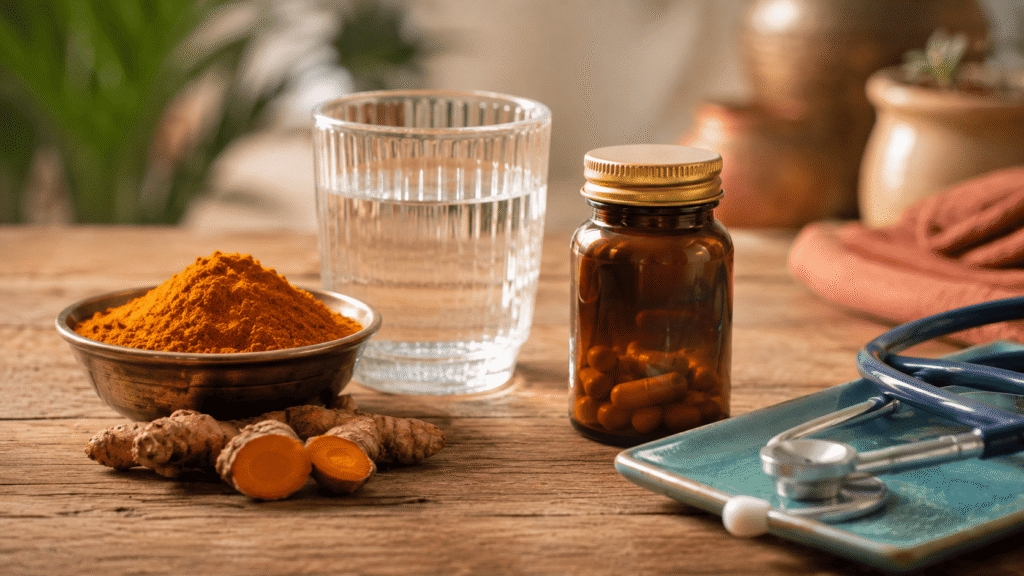
Culinary turmeric, the kind used in cooking, is well tolerated by most people. Concentrated supplements are a different question, and it’s worth separating the two clearly before weighing turmeric benefits against potential downsides.
- Digestive upset: higher supplemental doses can cause nausea, diarrhea, or stomach discomfort in some people
- Blood thinning: turmeric may enhance the effect of anticoagulant medications like warfarin
- Gallbladder issues: turmeric stimulates bile production, so people with gallstones should use it cautiously
- Pregnancy: therapeutic or supplemental doses beyond normal cooking amounts should be discussed with a doctor first
- Skin sensitivity: topical use occasionally triggers contact dermatitis in sensitive individuals
According to the NIH’s LiverTox database, recommended turmeric doses vary widely depending on the preparation, and reported side effects are generally uncommon and mild (NIH LiverTox: Turmeric). A separate analysis of turmeric supplements sold across five countries found meaningful inconsistencies in labeling, including products that didn’t disclose their actual curcuminoid content (PMC: Turmeric supplement quality review), which is one more reason to choose a reputable formulation rather than picking one at random. If you take medication for blood clotting, blood sugar, or another chronic condition, check with your healthcare provider before starting a concentrated turmeric or curcumin supplement.
Conclusion
Turmeric isn’t a cure-all, and treating it like one does the herb a disservice. What it does have is centuries of Ayurvedic use alongside a growing, if uneven, body of clinical research, particularly around joint pain and inflammation. The gap between tradition and evidence is worth knowing rather than glossing over, especially if you’re weighing the turmeric benefits of a pinch of powder in your cooking against a concentrated supplement.
If you’d like help figuring out which form, strength, or preparation actually delivers the turmeric benefits you’re after, ask about our formulations. We can walk you through the options rather than leaving you to guess.
 |
Ready to take the next step?At Vedic Panchakarma, we believe true healing begins by restoring balance within the body, mind, and spirit, naturally and holistically. Body • Mind • Spirit |
|
📍 Location: SA 6/168 Old RTO Office Chauraha, Sarnath, Ganapati Nagar, Ashapur Road, Pahariya, Sarnath-221007, Uttar Pradesh 📞 Contact: +91 96822 22121 ✉️ Website: vedicpanchakarma.com 🕒 Hours: Open 24 Hours |
Frequently Asked Questions
Can turmeric be taken with black pepper?
Yes. Black pepper contains piperine, which can increase curcumin absorption. This is why black pepper is commonly paired with turmeric in traditional preparations. However, enhanced absorption can also increase exposure to curcumin, so concentrated products deserve more caution than culinary use.
Is fresh turmeric better than turmeric powder?
Fresh turmeric and turmeric powder are both useful, but they are not identical. Fresh turmeric contains more water and has a different concentration of curcuminoids and aromatic compounds. Powder is more convenient for cooking and consistent dosing, while supplements use more concentrated preparations.
Should turmeric be taken with food?
Turmeric can be used with or without food, depending on the preparation and your tolerance. Taking concentrated supplements with food may be easier on the stomach for some people. Culinary turmeric can simply be included in meals.
Can you drink turmeric water every morning?
A small amount of turmeric in water is generally a culinary-style use rather than a concentrated supplement dose. There is no strong evidence that drinking turmeric water every morning provides special benefits compared with including turmeric in food.
Does cooking turmeric reduce its benefits?
Cooking changes some compounds in turmeric, but turmeric is commonly used as a cooked spice. There is no need to avoid cooking it to obtain its potential benefits. The amount used in food is also very different from the concentrated amounts found in curcumin supplements.
What is the difference between turmeric, haldi, and Haridra?
Turmeric is the common English name for the spice made from Curcuma longa. Haldi is its common Hindi name, while Haridra is the Sanskrit name used in Ayurvedic traditions.
Can turmeric cause allergies?
Although uncommon, turmeric can cause skin irritation or an allergic reaction in some people, particularly with topical use. Stop using it if you develop a rash, swelling, itching, or other signs of an allergic reaction, and seek appropriate medical advice if symptoms are significant.


 Old RTO Chauraha, Sarnath, Varanasi 221007