Uric acid ayurvedic treatment works on two levels. It calms the painful joint, and it corrects the digestion, diet and habits that let uric acid build up. Ayurveda calls gout Vatarakta, a disorder of Vata dosha and the blood (Rakta). Care usually combines diet changes, doctor-chosen herbs and, for the right patient, cleansing therapies such as Virechana, Basti or leech therapy.
It is not a quick fix, and it does not replace your uric acid medicine. Used alongside your physician’s care, it can help many people have fewer flares and feel lighter. Below we explain what the texts say, what the research does and does not show, and how we plan treatment at our Sarnath clinic in Varanasi.
What is high uric acid and why does it cause gout?
Uric acid is a waste product your body makes when it breaks down purines, found in your own cells and in foods like meat and seafood. When the level stays too high, it can form sharp crystals in and around joints. That is gout: sudden, severe pain, most often in the big toe, with a hot, red, swollen joint.
The NHS notes that an untreated attack usually lasts one to two weeks. Risk rises with being male, older age, extra weight, alcohol, menopause, kidney problems, diabetes, high blood pressure and some medicines such as diuretics.
High uric acid is common in our own region. A 2022 study of 305 newly diagnosed diabetic patients in Varanasi found high uric acid in 12.13% of them. It used the common cut-offs: above 7 mg/dl for men and above 6 mg/dl for women.
How does Ayurveda understand gout (Vatarakta)?
Ayurveda describes gout as Vatarakta: aggravated Vata dosha gets blocked by vitiated blood (Rakta), and the two settle in small joints. Classical texts link it to heavy, sour, salty and fermented food, alcohol, excess non-veg, sleeping in the day, staying awake at night and long hours of sitting or travel.
The texts describe two stages. Uttana Vatarakta is superficial, affecting skin and muscle, with burning, itching and colour change. Gambhira Vatarakta is deep, with swelling, hardness and pain inside the joint. This matches the modern picture of early flares versus long-standing gout with deposits (tophi).
Weak digestion (Agni) creates Ama, a sticky by-product that blocks channels. That is why we treat the gut and the diet, not just the toe.
What does uric acid ayurvedic treatment include?
A full plan has four parts: correct the diet, calm Pitta and Rakta with herbs, cleanse the system with a suitable Panchakarma therapy, and keep the joint comfortable. The doctor chooses the mix after checking your reports, your pulse and the stage of disease. Not every patient needs every step.

1. Shamana: herbs and formulations
Guduchi (Giloy) is the herb most often named for Vatarakta in classical and modern Ayurvedic writing. Doctors also use Punarnava, Gokshura, Kokilaksha, Triphala and classical tablets such as Kaishora Guggulu or Amrita Guggulu. A small 2010 trial in the journal Ayu (30 patients) found both guggulu formulas eased pain and swelling to a similar degree.
These are prescription decisions. Some formulations affect the kidneys, blood sugar or other medicines, so dose and duration must suit you. You can read about how we use classical Ayurvedic formulations and why we price medicines before prescribing.
2. Shodhana: cleansing therapies
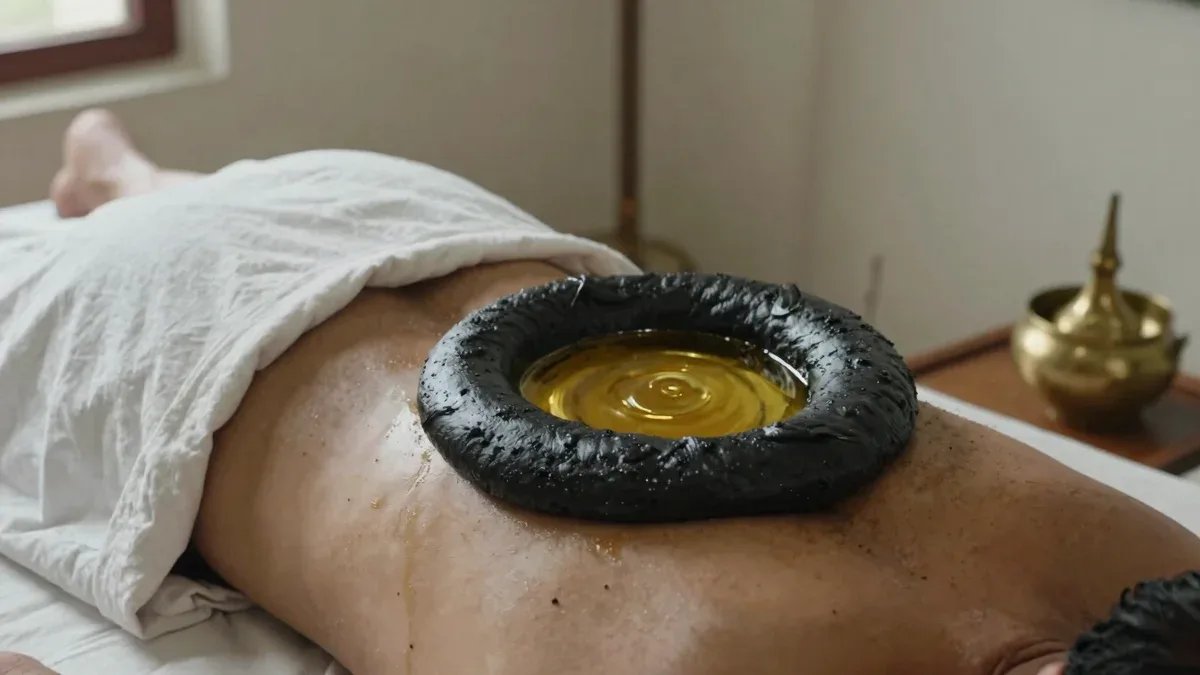
Virechana (therapeutic purgation) clears excess Pitta and is a classical first line for Vatarakta. Basti (medicated enema), especially milk-based Ksheera Basti, is described as one of the best therapies for the deep form. Our Basti therapy page explains both types of Basti in plain words.
These procedures are done only after the doctor confirms you are fit for them. They are planned around your energy, digestion and any other illness.
3. Raktamokshana: leech therapy for gout
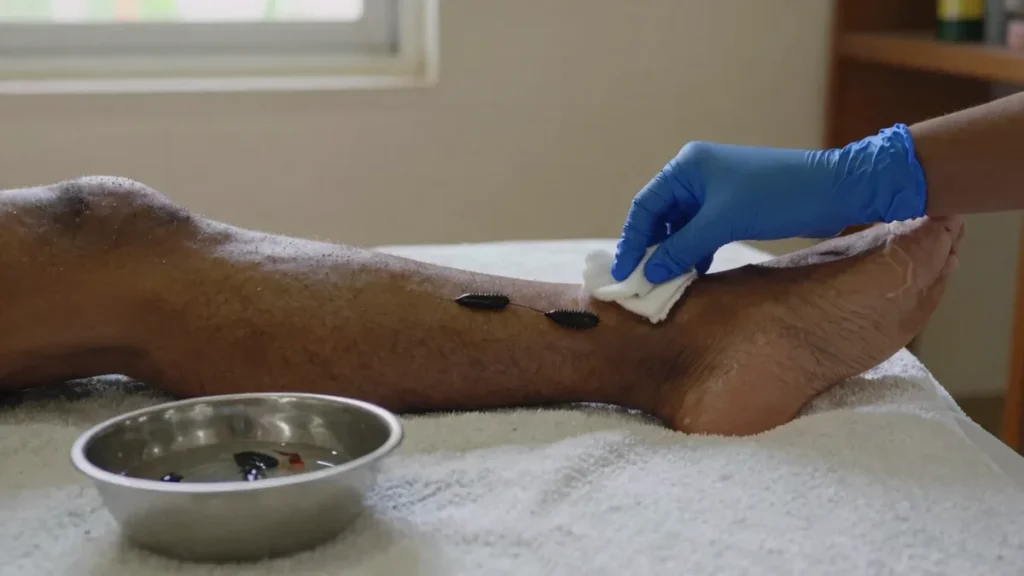
Leech therapy (Jalaukavacharana) is a gentle form of Raktamokshana, or bloodletting. It is used for the superficial, burning, Pitta-heavy stage, when one joint is hot and painful. Medicinal leeches are placed near the joint under hygienic conditions.
The research is early. A 2024 study in the Journal of Ayurveda and Integrative Medicine found that leech therapy lowered uric acid and joint swelling in rats with gout. That is a lab result, not proof in people, so we use it as one option, not a promise.
4. Local care for the painful joint
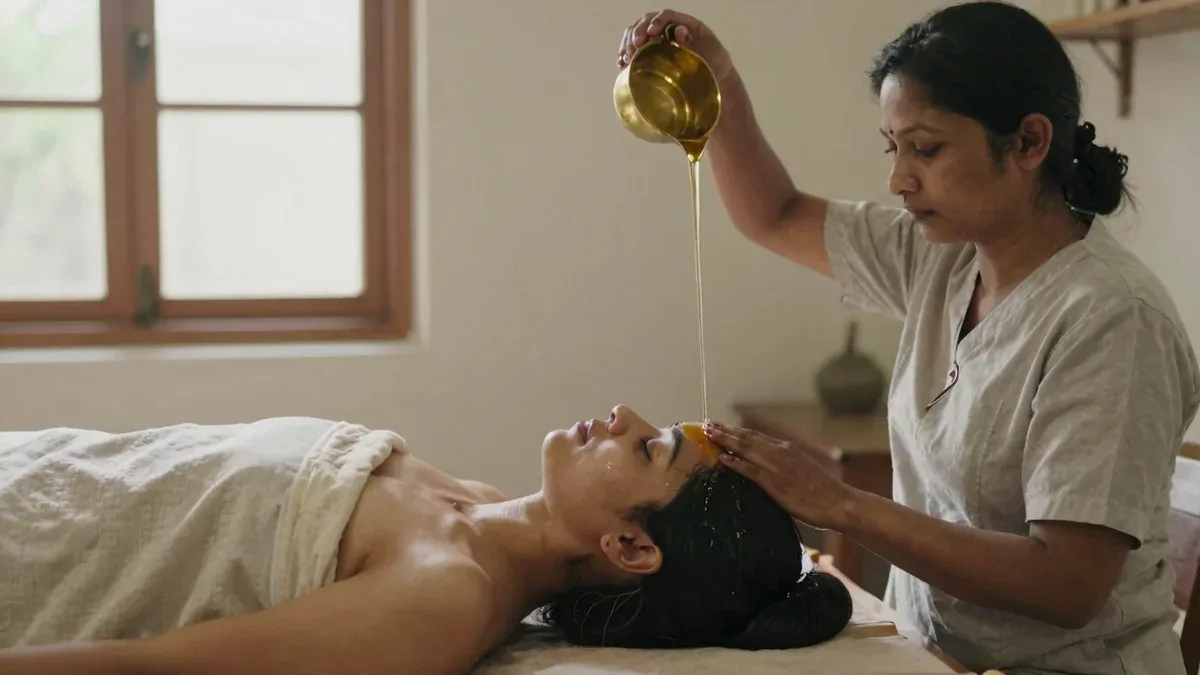
In an acute, hot flare, strong heat, steam and heavy oil massage on the joint are usually avoided because they can add to the burning. Cooling pastes (Lepa) and rest come first. Once the flare settles, gentle oil and warmth may help stiff joints, which is where care overlaps with our joint pain and arthritis treatment in Varanasi.
Ayurvedic and modern treatment: how do they compare?
Modern medicine is fastest at stopping a flare and is proven to lower uric acid long term. Ayurveda adds diet, digestion and cleansing care that targets the habits behind the problem. Most of our patients do best with both, with each doctor knowing what the other has prescribed.
| Question | Modern medicine | Ayurveda (Vatarakta care) |
|---|---|---|
| Acute flare | NSAIDs, colchicine or steroids, all first-line options in the 2020 ACR guideline | Rest, cooling Lepa, Pitta-calming herbs; leech therapy in selected cases |
| Long-term uric acid | Allopurinol or febuxostat, adjusted to keep uric acid below 6 mg/dl | Guduchi-based and other doctor-chosen formulations, Virechana or Basti, diet |
| Diet advice | Limit alcohol, purine-rich food and high-fructose drinks; lose weight slowly | Same, plus avoid sour, fermented, very salty and heavy food; support digestion |
| Strength of evidence | Large trials and formal guidelines | Classical texts and small clinical studies; more research needed |
| Main caution | Side effects and drug interactions need monitoring | Herbs and cleansing therapies need a qualified doctor and proper dosing |
What should you eat and avoid with high uric acid?
Eat warm, simple, home-cooked food and drink enough water. Limit alcohol (especially beer), red and organ meat, seafood, sugary drinks and fried snacks. The 2020 American College of Rheumatology guideline supports limiting alcohol, purines and high-fructose corn syrup, and recommends weight loss for people who are overweight.
Ayurveda adds a few rules for Vatarakta. These suit most kitchens in Varanasi and Bihar without special shopping.
- Favour: old rice, wheat roti, barley (jau), moong dal, lauki, parwal, tinda, karela, amla, and warm water through the day.
- Reduce: curd (especially at night), urad and horse gram (kulthi), pickles, very sour and salty food, fermented batter, and late heavy dinners.
- Avoid: alcohol, colas and packaged juices, regular non-veg and seafood, and crash diets or long fasts, which can trigger a flare.
- Habits: sleep on time, avoid day sleep, walk daily, and do not sit for hours without a break.
If weight is part of the picture, slow and steady loss is safer than starving. The doctor can build gentle weight goals into your plan.
How do we treat uric acid at our Sarnath clinic?
Every plan starts with a ₹500 consultation with Nadi Pariksha. The doctor reads your uric acid report, kidney function and other tests alongside your pulse and history, then writes a plan with the exact cost before anything begins. Patients come for day-care sessions and go home after each one.

- Bring your reports Serum uric acid, creatinine or KFT, lipid profile, blood sugar, CRP or ESR, and any X-ray. Bring a list of every medicine you take.
- Consultation and Nadi Pariksha The doctor checks the joints, the stage (Uttana or Gambhira), the dominant dosha and your digestion.
- Written plan Diet chart, any prescribed formulations, and whether a therapy such as Virechana, Basti or leech therapy suits you, with the cost in writing.
- Therapy sessions Day-care only, between 9 AM and 8 PM, every day of the week.
- Review and repeat tests We ask you to recheck uric acid with your physician and adjust the plan together. Prescribed medicine is not stopped.
Patients often tell us they value being heard. As Shreya S. wrote in her Google review, the doctor “listens to every concern patiently and explains everything clearly.” Virendra K. said she “explained everything nicely and gave personal attention.”
Many people with high uric acid also have knee pain or high cholesterol. If your knees are the main problem once the flare settles, see the Knee Care Programme (₹9,500 for 7 days, or ₹1,600 per day day-wise). For uric acid with high cholesterol and belly fat, the Cholesterol and Metabolic Wellness programme (₹3,450 per day day-wise) may fit better. Full rates are on our price list.
Can you stop allopurinol if you start Ayurveda?
No, not on your own. The NHS advises taking uric acid-lowering medicine regularly, even when you have no symptoms, because stopping can bring flares back. If your levels stay well controlled over time, your physician may review the dose. We share our plan with you so you can show it to your doctor.
Ayurvedic treatment for uric acid is meant to work alongside modern care. Patients who search for यूरिक एसिड का आयुर्वेदिक इलाज often hope to drop tablets quickly, and that is the most common cause of a fresh, painful flare. Hindi readers can also see our guide to जोड़ों के दर्द का इलाज.
When should you see a doctor urgently?
Get urgent medical help if a joint suddenly becomes hot and swollen and you also have a high fever, feel sick or cannot eat, or the pain keeps getting worse. The NHS warns this can mean an infection inside the joint. Severe side or back pain with blood in the urine can be a kidney stone.
A first-ever attack also needs a proper diagnosis, because other conditions can look like gout. Ayurveda should come after that diagnosis, not before it.
Frequently asked questions
Can Ayurveda cure uric acid permanently?
No honest doctor can promise a permanent cure. Ayurveda can help control the diet, digestion and habits that raise uric acid, and many people have fewer flares with steady care. Uric acid can rise again if old habits return, so regular blood tests and follow-up with your physician remain important.
Which Ayurvedic medicine is best for uric acid?
There is no single best medicine for everyone. Guduchi (Giloy), Punarnava, Gokshura and classical tablets such as Kaishora Guggulu are commonly used, but the right choice depends on your dosha, stage of gout, kidney function and other medicines. Please take these only after a consultation, not from an online list.
Is leech therapy safe for gout?
Leech therapy is generally safe when a trained doctor selects the patient and uses medicinal leeches under hygienic conditions. It is not suitable for people with bleeding disorders, anaemia, very low blood pressure or those on blood thinners. Research in gout is still at the animal stage, so we offer it only in selected cases.
What foods should I avoid with high uric acid?
Limit alcohol, especially beer, red and organ meat, seafood, colas and packaged juices. Ayurveda also advises cutting down curd at night, urad, horse gram, pickles and very sour or salty food. Choose warm home meals with moong dal, lauki, barley and wheat roti, and drink enough water through the day.
How long does Ayurvedic treatment for uric acid take?
Diet changes can begin to help within weeks, but steady results usually take a few months of consistent care. A cleansing therapy such as Virechana or a Basti course is a short phase within that. The doctor reviews your symptoms and repeat uric acid reports to decide how long you need to continue.
Can I take Ayurvedic medicine with allopurinol?
Often yes, but only when your Ayurvedic doctor knows every medicine you take. Some herbs affect the kidneys, blood sugar or blood thinning. Do not stop allopurinol or febuxostat on your own, because that commonly triggers a flare. Share both prescriptions with each doctor so they can check for problems.
Is high uric acid without pain dangerous?
High uric acid without symptoms is a warning sign, not an emergency. It is often linked with weight gain, high blood pressure, diabetes and kidney problems. Your physician decides whether you need medicine. Diet and lifestyle changes help in every case, and this is where Ayurvedic guidance can be useful.
Conclusion
Uric acid ayurvedic treatment is about more than one herb. It means understanding your Vatarakta stage, eating to cool the blood and support digestion, and using cleansing therapies only when they suit you. It works best next to your physician’s care, not in place of it.
If you live in Varanasi, eastern UP, Bihar or Nepal, or you are visiting, you can meet Dr. Komal Maurya at our Sarnath clinic for a ₹500 consultation. Bring your reports, and you will leave with a clear written plan.
Talk to us before you book
Call or WhatsApp us, every day 9 AM to 8 PM. Tell us your concern and we will suggest the right therapy or package and the cost before you visit.
Book on WhatsAppConsultation ₹500 with Nadi Pariksha · Open daily 9 AM to 8 PM
This article is general health information, not a diagnosis or prescription. Please consult a qualified doctor before starting herbs, Panchakarma or leech therapy, and never stop prescribed medicine without your physician’s advice. Seek urgent care for a hot, swollen joint with fever, severe pain that keeps worsening, or signs of a kidney stone.
Sources
- NHS, Gout: symptoms, causes, treatment (2023)
- Singh SK et al., Prevalence of hyperuricemia in new onset diabetic patients: a cross-sectional Indian study, Diabetes Metab Syndr Obes (2022)
- Afinogenova Y, Danve A, Neogi T, Update on gout management: what is old and what is new (2020 ACR guideline summary), Curr Opin Rheumatol (2022)
- Ramachandran AP et al., A comparative study of Kaishora Guggulu and Amrita Guggulu in Utthana Vatarakta, Ayu (2010)
- Chao GL et al., Exploration of leech therapy in treating gouty rats and its uric acid lowering mechanism, J Ayurveda Integr Med (2024)
Get the Vedic Panchakarma app
Special offer for everyone who downloads the app and books or takes a treatment.