The 5 Therapies of Panchakarma: Vamana, Virechana, Basti, Nasya & Raktamokshana
Medical Disclaimer
This content is for educational purposes only and not medical advice. Consult a qualified physician or Ayurvedic practitioner before starting therapies, especially if pregnant or on medication.
Panchakarma 5 steps refer to five classical Ayurvedic cleansing procedures: Vamana, Virechana, Basti, Nasya, and Raktamokshana. Each procedure has a different route and purpose, and an Ayurvedic practitioner selects therapies according to the person’s constitution, condition, and treatment plan.
Panchakarma is often described as a single detox treatment, but the traditional approach is more structured than that. Preparation, the main procedure, and post-treatment care all matter. You may also hear the term “shodhana karma”, which refers to Ayurvedic purification therapies.
Featured Snippet: What are the Panchakarma 5 steps?
The Panchakarma 5 steps are Vamana, Virechana, Basti, Nasya, and Raktamokshana. In Ayurvedic practice, a person usually does not receive every procedure. Treatment is selected and supervised according to individual needs, dosha considerations, health status, and the practitioner’s assessment.
Panchakarma: 5 Steps at a Glance
6 Key Insights
The panchakarma 5 steps are Vamana (controlled therapeutic emesis), Virechana (therapeutic purgation), Basti (medicated enemas), Nasya (nasal administration), and Raktamokshana (therapeutic bloodletting). Not everyone needs all five procedures, as Ayurvedic practitioners select therapies based on individual constitution and treatment goals.
The five therapies of Panchakarma
The Panchakarma 5 steps include five procedures that use different routes of administration. Understanding each one separately makes the full Panchakarma process easier to follow.
Vamana
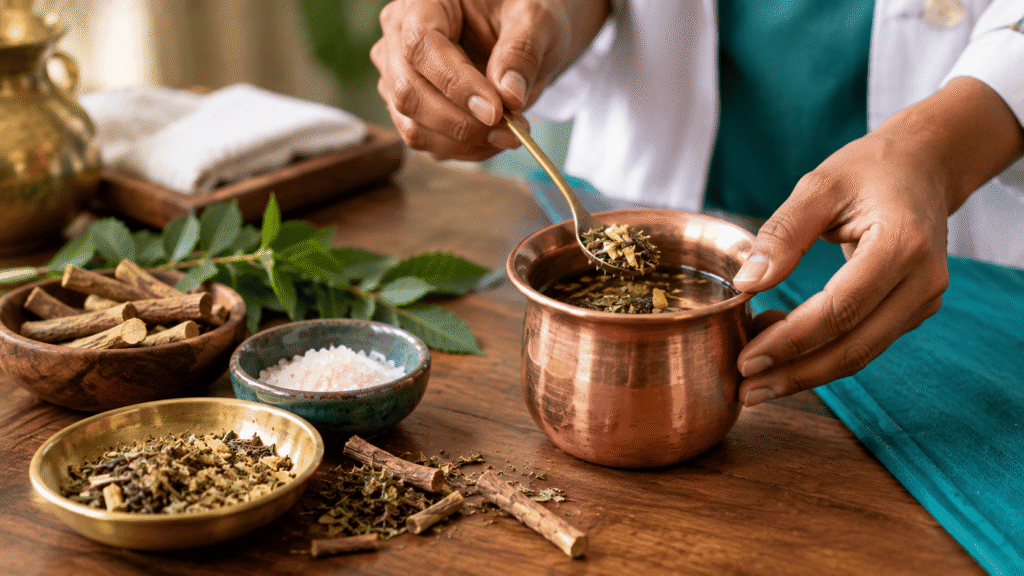
Panchakarma 5 steps begin with Vamana in many traditional descriptions, although the actual sequence depends on the individual treatment plan. Vamana is therapeutic emesis, meaning controlled vomiting performed under Ayurvedic supervision.
Ayurvedic texts traditionally associate Vamana with Kapha-related conditions. The procedure isn’t something to attempt at home. Preparation, medicines, monitoring, and post-procedure care require professional supervision.
The purpose isn’t ordinary vomiting after eating something that disagrees with you. Therapeutic emesis is a planned clinical procedure with specific preparation and aftercare.
Virechana
Panchakarma 5 steps include Virechana as the therapeutic purgation procedure. Virechana uses prescribed medicines to induce controlled bowel evacuation as part of Ayurvedic shodhana therapy.
Traditional Ayurvedic practice commonly associates Virechana with Pitta-related disorders. The practitioner decides whether it fits the person and determines the preparation and dosage.
A useful distinction is simple: Vamana works through emesis, while Virechana works through purgation.
Basti
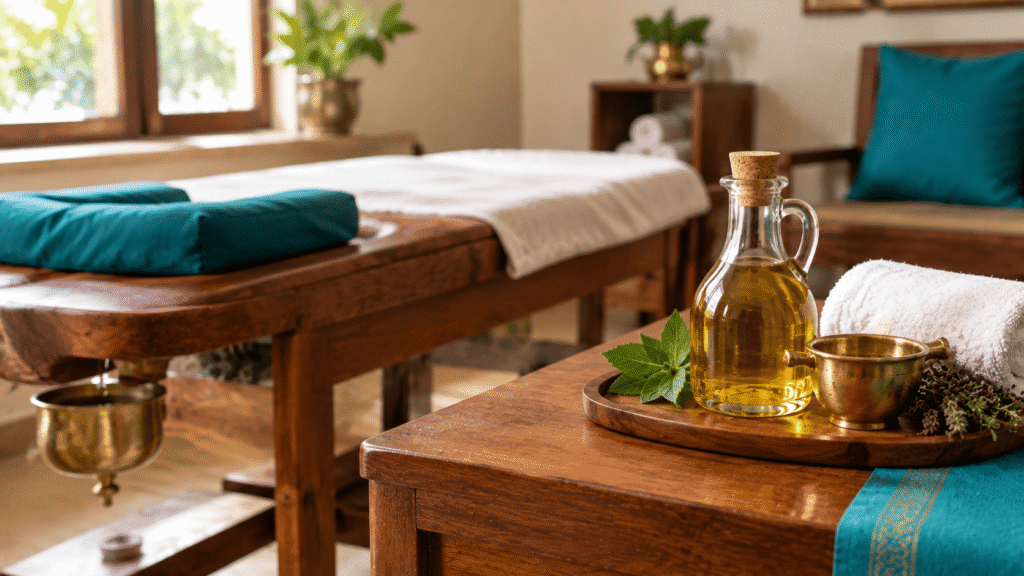
Panchakarma 5 steps include Basti, which involves administering prescribed medicines through the rectal route. Ayurvedic practice uses different forms of Basti, including oil-based and decoction-based preparations.
Basti has an important place in traditional Ayurvedic treatment, particularly in therapies associated with Vata. CCRAS training material also describes different Basti procedures and their indications, contraindications, and safety precautions.
The word “enema” can make Basti sound like a simple home procedure. It isn’t. The medicine, quantity, timing, route, and patient suitability all require clinical judgment.
🌿 Explore Deeper Ayurvedic Care
Want to learn more about medicated enema therapy?
Explore procedure details, oil types, and Vata balancing techniques in our detailed article:
Nasya
Panchakarma 5 steps include Nasya, which involves administering prescribed medicine through the nostrils. Oils and other preparations may be used depending on the Ayurvedic treatment plan.
Traditional practice connects Nasya with conditions involving the head, neck, and upper respiratory region. The exact preparation and method depend on the person and the intended therapeutic goal.
Nasya also shows why Panchakarma isn’t simply a digestive cleanse. Different procedures use different routes and target different therapeutic purposes.
Raktamokshana
Panchakarma 5 steps are sometimes presented with Raktamokshana as the fifth procedure. Raktamokshana refers to therapeutic bloodletting in classical Ayurvedic practice.
Classification varies across Ayurvedic traditions and institutions. Some official CCRAS materials describe the five procedures differently, using Vamana, Virechana, Basti variations, and Nasya, while other CCRAS educational material specifically includes Raktamokshana among the major Panchakarma procedures.
That variation matters when you’re reading Panchakarma content online. The phrase “five therapies” doesn’t always refer to an identical list across every school or clinical setting.
How do the Panchakarma 5 steps fit into treatment?
Panchakarma’s 5 steps are traditionally placed within a wider treatment process rather than performed as isolated procedures. Ayurvedic practice commonly describes three broad stages: Purvakarma, Pradhanakarma, and Paschatkarma.
Purvakarma covers preparation. Snehana and Swedana are commonly included before the main procedure. Pradhanakarma refers to the principal therapeutic procedure. Paschatkarma covers recovery and dietary measures after treatment.
Think of the process as preparation, main therapy, and recovery.
The CCRAS describes Panchakarma with preparatory measures such as Snehana and Swedana and post-treatment dietary care known as Samsarjana Karma.
🌿 Explore Deeper Ayurvedic Care
New to Ayurvedic detoxification and purification?
Get a complete breakdown of preparation, internal cleansing, and post-therapy routines in our guide:
Do you need all five Panchakarma therapies?
Panchakarma 5 steps don’t automatically mean five procedures for every person. An Ayurvedic practitioner may select particular therapies based on the treatment objective, constitution, dosha assessment, age, health status, and fitness.
Some people may receive one principal procedure. Others may follow a more extensive program.
The idea of completing all five simply because they are called the “five therapies” can therefore be misleading. Panchakarma should be individualized rather than treated like a fixed checklist.
Panchakarma 5 steps and Shodhana Karma
Panchakarma’s 5 steps are closely connected with the Ayurvedic concept of Shodhana Karma, but the terms aren’t always used identically across sources.
Shodhana refers broadly to purification-oriented therapeutic procedures in Ayurveda. Panchakarma is the well-known five-fold framework associated with these procedures.
You may therefore see both terms used on Ayurvedic clinic websites, educational material, and practitioner resources. The exact classification can differ by Ayurvedic tradition.
Are the Panchakarma 5 steps scientifically proven?
Panchakarma 5 steps come from the traditional Ayurvedic system, but modern clinical evidence doesn’t support treating every claimed benefit as established medical fact.
Research on Ayurveda has limitations, including small studies, differences in treatment protocols, and inconsistent standardization. The National Center for Complementary and Integrative Health’s Ayurveda evidence and safety guidance notes that only a limited number of well-designed clinical trials have evaluated many Ayurvedic approaches.
That distinction is important. Traditional Ayurvedic use and modern clinical evidence aren’t the same thing.
Are the Panchakarma 5 steps safe?
Panchakarma 5 steps should be performed under qualified professional supervision, particularly when a procedure involves induced vomiting, purgation, enemas, nasal medicines, or bloodletting.
Some Ayurvedic preparations can also contain metals or minerals. NCCIH warns that certain Ayurvedic products have contained potentially toxic amounts of lead, mercury, or arsenic.
Anyone with an existing medical condition, anyone taking prescription medicines, and people who are pregnant or nursing should discuss Ayurvedic treatment with an appropriate healthcare professional before proceeding.
Avoid attempting therapeutic Panchakarma procedures from online instructions. Clinical supervision isn’t an optional extra.
How should you choose a Panchakarma program?

Panchakarma 5 steps should be chosen according to your health situation rather than a generic package advertised online. A qualified Ayurvedic practitioner should assess your condition before recommending a procedure.
Ask about the exact procedure, medicines being used, expected duration, preparation, contraindications, monitoring, and post-treatment diet.
A good consultation should leave you knowing what will happen before, during, and after treatment.
What should you do before Panchakarma?
Panchakarma 5 steps traditionally involve preparation before the main procedure. Depending on the treatment plan, this may include dietary changes, Snehana, Swedana, and other preparatory measures.
Preparation isn’t identical for everyone. Your practitioner should explain the purpose of each step and give clear instructions rather than handing you a generic checklist.
🌿 Explore Deeper Ayurvedic Care
Planning the best time of year for your therapy?
Learn why traditional texts recommend seasonal cleansing during the rainy season:
Conclusion
Panchakarma 5 steps describe five traditional Ayurvedic procedures: Vamana, Virechana, Basti, Nasya, and Raktamokshana. The exact classification can vary across Ayurvedic traditions, and not every person receives every procedure.
A sensible approach starts with the treatment goal, individual assessment, safety screening, and professional supervision. If you’re considering Panchakarma, take a dosha quiz as a starting point, then discuss the result and your health history with a qualified practitioner before choosing a therapy.
 |
Ready to take the next step?At Vedic Panchakarma, we believe true healing begins by restoring balance within the body, mind, and spirit, naturally and holistically. Body • Mind • Spirit |
|
📍 Location: SA 6/168 Old RTO Office Chauraha, Sarnath, Ganapati Nagar, Ashapur Road, Pahariya, Sarnath-221007, Uttar Pradesh 📞 Contact: +91 96822 22121 ✉️ Website: vedicpanchakarma.com 🕒 Hours: Open 24 Hours |
FAQ
Can Panchakarma be done while working a full-time job?
Panchakarma 5 steps may require changes to your normal schedule depending on the procedure and the recovery period. Ask the practitioner about the expected downtime before booking treatment.
Can you travel immediately after Panchakarma?
Panchakarma 5 steps may involve a recovery period, especially after more intensive procedures. Travel plans should be discussed with the treating practitioner rather than assumed to be safe immediately afterward.
Does health insurance cover Panchakarma?
Coverage for Panchakarma 5 steps depends on the insurer, policy, country, and whether the service is classified as medical treatment or complementary care. Check your policy before paying for a treatment package.
Can Panchakarma affect prescription medicines?
Panchakarma 5 steps can involve dietary changes, herbal preparations, and procedures that may affect how someone manages an existing condition. Tell both your Ayurvedic practitioner and conventional healthcare provider about all medicines and supplements you use.
Is Panchakarma suitable after age 60?
Age alone doesn’t determine whether Panchakarma 5 steps are appropriate. Overall health, medications, physical fitness, and the proposed procedure should be assessed before treatment.
 Old RTO Chauraha, Sarnath, Varanasi 221007