
Fungal Infection Ayurvedic Treatment: Causes, Therapies, and Diet
Medical Disclaimer
This content is for educational purposes only and not medical advice. Consult a qualified physician or Ayurvedic practitioner before starting therapies, especially if pregnant or on medication.
Consult a practitioner
Monsoon heat, sweat, damp clothes, and closed footwear can make fungal rashes harder to manage. Fungal infection ayurvedic treatment takes an Ayurvedic view of the condition while keeping one practical point clear: the rash should be identified correctly before you start using home remedies, herbal products, or medicines.
Ringworm and other superficial fungal infections can cause itching, scaling, redness, cracking, or ring-shaped patches. The World Health Organization explains that dermatophytes thrive in warm, moist conditions and that ringworm is generally treated with antifungal medicines.
Ayurveda commonly relates ringworm-like skin lesions to Dadru within the broader discussion of Kushtha, or skin disorders. An Ayurvedic assessment may also consider diet, digestion, sweating, lifestyle, recurrence, and dosha patterns. These concepts belong to the Ayurvedic framework and shouldn’t be confused with the modern microbiological explanation of a fungal infection.
✓
Fungal Infection Ayurvedic Treatment at a Glance
6 Key Insights
01
02
03
04
05
06
Fungal infection Ayurvedic treatment can include individualized Ayurvedic care, external preparations, dietary guidance, lifestyle changes, and hygiene measures, depending on the person’s symptoms and assessment. Confirmed fungal infections still require appropriate antifungal treatment, and persistent, spreading, scalp, nail, or sensitive-area infections should be professionally assessed before relying on home or herbal remedies.
What Causes Fungal Skin Infections?
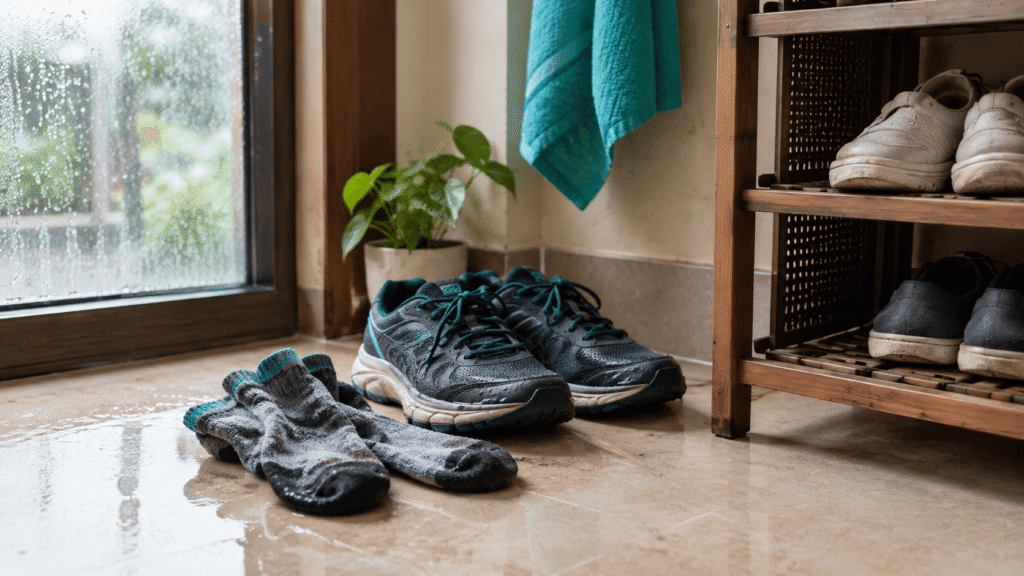
Fungal infection ayurvedic treatment starts with understanding what is causing the skin problem, because not every itchy or circular rash is fungal. Certain fungi grow on the skin, feet, groin, scalp, or nails, and some infections spread through direct contact, infected animals, shared towels, clothing, or contaminated surfaces.
Monsoon weather can create several of these conditions at once. Sweat may remain on the skin for longer, clothes may take more time to dry, and wet shoes can keep the feet enclosed in a warm environment.
Common risk factors include:
- Frequent sweating
- Tight or poorly ventilated clothing
- Damp socks and shoes
- Shared towels or clothing
- Communal changing rooms
- Close contact with an infected person
- Contact with an infected animal
- Certain health conditions or reduced immune function
Recurring infections deserve more attention than another quick change of cream. A repeated rash can mean the diagnosis needs confirmation, treatment wasn’t completed, or moisture and exposure continue to encourage reinfection.
🌿 Explore Deeper Ayurvedic Care
Struggling with seasonal humidity and skin issues?
Monsoon dampness triggers both fungal growth and internal dosha imbalances. Read our guide on seasonal care:
What Does Ayurveda Say About Fungal Skin Infections?
Fungal infection Ayurvedic treatment uses a traditional framework that commonly connects ringworm-like eruptions with Dadru. Ayurvedic descriptions can include itching, circular lesions, redness, and raised or spreading eruptions. Modern fungal infections can produce similar findings, although Ayurveda and modern medicine use different systems for diagnosis.
Ayurvedic assessment may consider Kapha and Pitta, skin findings, diet, digestion, sweating, and recurrence. These concepts can guide an Ayurvedic practitioner when selecting traditional care. They don’t replace identification of the fungus responsible for a confirmed infection.
This distinction keeps the discussion practical. A fungal infection results from fungal organisms, while an Ayurvedic practitioner may use a broader traditional assessment to plan complementary care.
Which Ayurvedic Therapies May Be Used?
Fungal infection ayurvedic treatment should be individualized instead of based on whichever herb happens to be popular online. The site of the rash matters, as does its severity, duration, recurrence, and whether the skin is broken or irritated.
Traditional Ayurvedic care for skin conditions may involve external preparations, internal formulations, dietary guidance, and lifestyle changes. A qualified practitioner should determine the appropriate preparation and how it should be used.
External Herbal Preparations
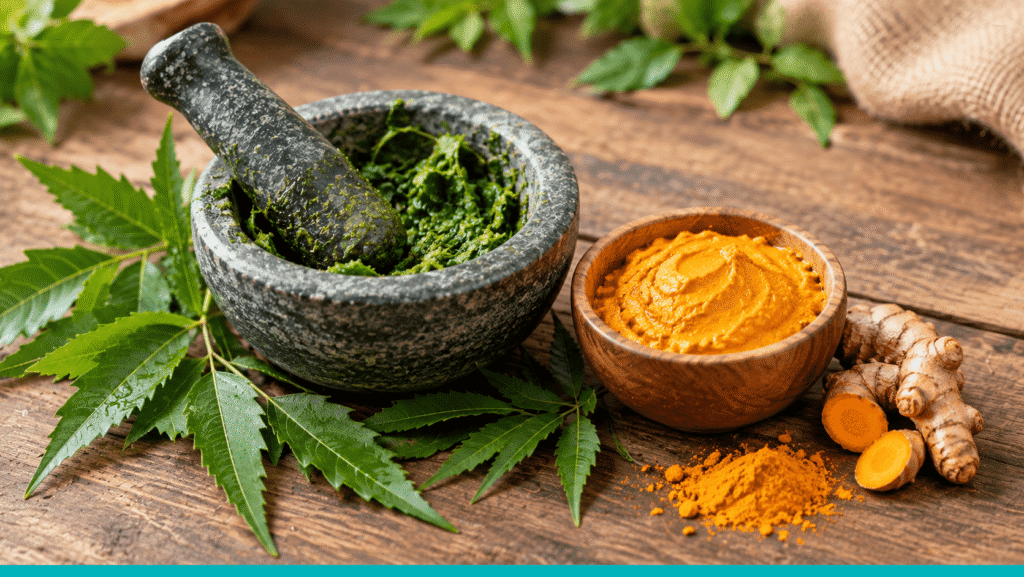
Fungal infection Ayurvedic treatment may involve selected external preparations when an Ayurvedic practitioner considers them appropriate for the particular skin condition. Traditional practice may use pastes, powders, oils, or other topical preparations.
Extra care is needed around broken skin, the face, genital area, and other sensitive sites. A preparation that feels mild on one area may irritate another.
Neem
Neem is frequently discussed in Ayurvedic approaches to fungal skin conditions. Laboratory research has also reported antifungal activity from some neem extracts against dermatophytes. Such findings show biological activity under experimental conditions, not proof that homemade neem paste or neem oil can clear ringworm in people.
For that reason, neem is better discussed as a possible component of traditional care rather than a guaranteed cure.
Turmeric and Curcumin
Fungal infection ayurvedic treatment sometimes includes discussion of turmeric and curcumin because these substances have been investigated for several skin-related conditions. Experimental studies have reported activity against some dermatophytes, but human evidence for routine treatment of ordinary ringworm remains limited.
Applying kitchen turmeric to an active rash shouldn’t replace an established antifungal treatment when one has been recommended.
🌿 Explore Deeper Ayurvedic Care
Want to learn the complete medicinal profile of turmeric?
Discover proper dosage, therapeutic uses, and safety precautions in our full guide:
Internal Ayurvedic Medicines
Some Ayurvedic practitioners may prescribe internal formulations as part of a broader treatment plan. Selection can depend on age, other medicines, pregnancy status, health conditions, symptoms, and the location of the skin problem.
Product quality deserves attention here. The National Center for Complementary and Integrative Health notes that some Ayurvedic preparations have contained potentially harmful amounts of lead, mercury, or arsenic. Professional guidance and reputable products are important when internal preparations are used.
What Are Safe Fungal Skin Infection Home Remedies?

Fungal infection ayurvedic treatment can be supported by sensible home care focused on moisture control, cleanliness, and limiting transmission. These measures can support treatment, but they don’t replace antifungal medicine for a confirmed infection.
Small daily habits can be useful during humid weather, especially for the feet, groin, underarms, and other areas where sweat tends to collect.
| Home-care step | Why it helps |
|---|---|
| Keep affected skin clean and dry. | Reduces moisture that supports fungal growth |
| Change sweaty clothes promptly. | Limits prolonged damp contact |
| Dry carefully between the toes. | Helps reduce moisture around the feet |
| Wash towels and clothing regularly. | Reduces contamination |
| Avoid sharing personal items. | Limits transmission |
| Allow footwear to dry fully | Reduces warm, damp conditions |
| Wash hands after touching the rash. | Helps reduce spread to other areas |
The WHO recommends keeping affected areas clean and dry and avoiding shared personal items during ringworm infection.
Harsh kitchen treatments are a different matter. Lemon juice, undiluted essential oils, bleach, and concentrated garlic can irritate already inflamed skin. A burning sensation isn’t evidence that the fungus is being eliminated.
Can Neem and Turmeric Treat a Fungal Rash?
Fungal infection ayurvedic treatment may include traditional herbs such as neem or turmeric, but neither should be presented as a guaranteed standalone cure.
Laboratory research provides useful clues, but laboratory activity doesn’t establish the same result on human skin. Established antifungal medicines have much stronger clinical support for treating confirmed dermatophyte infections. The CDC’s fungal disease guidance also explains that antifungal treatment can be topical or systemic depending on the infection.
Anyone using herbal products should watch for irritation. Stop a topical preparation if it causes significant burning, swelling, worsening redness, or another unexpected reaction.
What Diet Is Suitable During Fungal Infection?
Fungal infection Ayurvedic treatment can include individualized dietary guidance when an Ayurvedic practitioner assesses digestion, daily habits, and recurring skin complaints. A balanced eating pattern is also useful for general health while the infection receives appropriate treatment.
There isn’t a specific food established as a substitute for antifungal medicine. Claims that one food can “kill” a fungal infection should therefore be treated cautiously.
A practical dietary pattern can include:
- Regular balanced meals
- Vegetables and fruits
- Appropriate protein sources
- Whole grains when suitable
- Adequate water intake
- Less highly processed food
- Reasonable limits on added sugar
Individual dietary restrictions should have a clear reason. Removing large groups of foods without professional advice can create unnecessary nutrition problems.
When Should You See a Doctor?
Fungal infection Ayurvedic treatment shouldn’t delay medical assessment when symptoms are severe, spreading, recurrent, or difficult to identify. Ringworm can resemble several other skin conditions, so treating the wrong rash may waste time and allow the actual problem to continue.
Professional assessment is especially important when:
- The rash keeps returning.
- Multiple body areas are affected.
- The scalp or nails are involved.
- The skin becomes painful, swollen, or heavily inflamed.
- There is discharge or significant skin breakdown.
- The genital area is affected.
- You have diabetes or reduced immune function.
- Previous treatment hasn’t worked.
- The diagnosis remains uncertain.
The American Academy of Dermatology notes that a dermatologist may examine a skin scraping, hair sample, or nail material when necessary. Treatment also varies by body site. Scalp and nail infections, for example, often require prescription treatment rather than the same topical approach used for uncomplicated skin ringworm.
One safety point deserves special attention: don’t use steroid creams on a rash that could be ringworm unless a clinician has specifically advised them. The CDC warns that corticosteroids can make ringworm worse.
Ayurvedic Care vs. Conventional Antifungal Treatment
Fungal infection ayurvedic treatment and conventional antifungal treatment have different roles. Conventional antifungal medicines directly target fungal organisms, while Ayurvedic care may take a broader approach to skin symptoms, lifestyle, diet, and recurrence.
The safest plan depends on the confirmed condition rather than choosing a treatment system before diagnosis.
| Approach | Main role | Best suited to |
|---|---|---|
| Ayurvedic consultation | Individual assessment and traditional treatment planning | Recurrent or persistent concerns |
| External Ayurvedic care | Selected topical support | Appropriate skin conditions |
| Home hygiene | Moisture and spread control | Most superficial fungal concerns |
| Conventional antifungals | Direct antifungal treatment | Confirmed fungal infections |
| Diet and lifestyle | General and individualized support | Overall health and recurrence management |
CDC and AAD guidance supports antifungal treatment for confirmed fungal infections, with the choice depending on the infection and body site.
An Ayurvedic consultation can still have a useful role when it complements appropriate diagnosis and treatment rather than replacing necessary medical care.
🌿 Explore Deeper Ayurvedic Care
Curious about holistic internal detoxification?
Learn how classical detoxification therapies work together to clear deep-seated toxins in our detailed overview:
How Can You Prevent Fungal Recurrence During Monsoon?
Fungal infection ayurvedic treatment works alongside practical monsoon prevention when daily habits reduce the amount of time your skin stays damp. This matters most in areas such as the feet, groin, underarms, and skin folds.
Simple changes can reduce repeated exposure to moisture and contaminated personal items.
- Change out of wet clothes as soon as practical.
- Dry your feet carefully after bathing.
- Rotate shoes so each pair has time to dry.
- Choose breathable clothing when possible.
- Don’t share towels, socks, or grooming items.
- Keep sweaty skin folds as dry as possible.
- Complete the recommended course of antifungal treatment.
Stopping treatment as soon as itching improves can allow the infection to persist or return. AAD advises following the recommended treatment duration rather than stopping early simply because the rash looks better.
What Happens During an Ayurvedic Condition Consultation?

Fungal infection ayurvedic treatment should begin with the history of the skin problem rather than jumping straight to an herbal product. The practitioner needs enough information to understand the pattern and decide whether Ayurvedic management is appropriate.
A consultation may cover:
- Where the rash first appeared
- How long it has been present
- Itching, burning, scaling, or cracking
- Previous creams or medicines
- Earlier episodes and recurrence
- Sweating and clothing habits
- Diet and digestion
- Other medicines and health conditions
A responsible practitioner should also explain when dermatology testing or conventional antifungal treatment is needed. For persistent or unclear rashes, that extra step can prevent weeks of treating the wrong condition.
Conclusion
Fungal infection Ayurvedic treatment can provide a structured Ayurvedic approach to skin care, diet, lifestyle, and recurrence management. The safest starting point remains an accurate diagnosis.
Monsoon humidity creates a favorable environment for fungal growth, so everyday prevention deserves attention alongside treatment. Keep affected areas dry, change damp clothing, avoid sharing personal items, and don’t rely on harsh home remedies.
Persistent, widespread, scalp, nail, or sensitive-area infections deserve professional assessment. Confirmed fungal infections may require conventional antifungal treatment, while Ayurvedic care can be considered according to the individual situation and professional guidance.
If a fungal rash keeps returning, a condition consultation can help review the pattern, previous treatments, daily habits, and appropriate next steps.
Book your condition consult to discuss your symptoms and get a treatment plan based on your individual needs.
 |
Ready to take the next step?At Vedic Panchakarma, we believe true healing begins by restoring balance within the body, mind, and spirit, naturally and holistically. Body • Mind • Spirit |
|
📍 Location: SA 6/168 Old RTO Office, Chauraha, Sarnath, Ganapati Nagar, Ashapur Road, Pahariya, Sarnath-221007, Uttar Pradesh 📞 Contact: +91 96822 22121 ✉️ Website: vedicpanchakarma.com 🕒 Hours: Open 24 Hours |
FAQ
How long does a fungal skin infection usually take to clear?
Fungal infection ayurvedic treatment does not have one fixed recovery period because the time required depends on the type and location of the infection, the treatment used, and how consistently treatment is followed. Skin ringworm often requires several weeks of antifungal treatment, while scalp and nail infections can take longer.
Can you exercise while treating a fungal infection?
Fungal infection ayurvedic treatment can be accompanied by normal activity when appropriate, but heavy sweating and close skin contact can increase moisture and transmission risk. Keep affected skin dry, change out of sweaty clothing promptly, and avoid sharing towels or equipment when an infection could spread.
Should bedding be washed during a fungal infection?
Regularly washing bedding, towels, clothing, and other items that contact affected skin can help reduce contamination. Avoid sharing these items with other household members while the infection is active.
Can antifungal treatment irritate the skin?
Some topical antifungal medicines can cause local irritation, dryness, burning, or redness. Significant swelling, severe discomfort, or a worsening rash warrants professional advice rather than continued experimentation with different products.
Can ringworm return after successful treatment?
Yes. A person can become reinfected after an earlier infection has cleared, especially with continued exposure to infected people, animals, shared items, or damp environments. Recurrence can also require checking whether the original diagnosis was correct.
How can you tell whether treatment is working?
Fungal infection ayurvedic treatment should be reassessed when symptoms don’t improve as expected. Less itching, reduced scaling, and gradual clearing can indicate improvement, while continued spreading, increasing inflammation, or persistent symptoms should prompt professional review.
 Old RTO Chauraha, Sarnath, Varanasi 221007