
Tulsi (Holy Basil): Ayurvedic Benefits, Uses, Dosage and Precautions
Medical & Safety Disclaimer
This educational content does not replace medical advice. Concentrated extracts deliver stronger doses than tea or food and may interact with medications. Consult a doctor or Ayurvedic practitioner before using supplements, especially if pregnant, nursing, or managing a health condition.
Not Medical Advice
Check Supplement Safety
Medically reviewed content. This article is educational and does not replace advice from your doctor, pharmacist, or another qualified healthcare professional.
Tulsi benefits have been recognized in Ayurveda for centuries, but modern readers often want to know what the research actually says. Also called holy basil, tulsi is the herb Ocimum tenuiflorum and is commonly used as fresh leaves, tea, powder, and extracts and in traditional Ayurvedic preparations.
The interesting part is that tulsi benefits aren’t limited to one traditional use. Research has explored holy basil in relation to stress, metabolic health, cardiovascular markers, antioxidant activity, and general well-being. At the same time, the evidence isn’t equally strong for every claim, and concentrated supplements shouldn’t be treated like ordinary kitchen herbs.
I often see people assume that because tulsi is natural, there’s no need to think about dosage or interactions. That isn’t quite right. A cup of tulsi tea and a concentrated extract can deliver very different amounts of plant compounds.
✓
Tulsi Benefits at a Glance
6 Key Insights
01
02
03
04
05
06
Tulsi Benefits and What the Research Says
Tulsi contains several naturally occurring plant compounds, including eugenol, rosmarinic acid, ursolic acid, and luteolin. These compounds have been investigated for antioxidant, anti-inflammatory, and other biological effects.
Several human studies have also explored tulsi benefits. A systematic review of 24 human studies reported promising findings involving stress, metabolic health, cardiovascular measures, immunity, and neurocognitive outcomes, while also pointing out the need for larger and longer studies.
So, when discussing tulsi benefits, it’s useful to separate traditional use from clinically established treatment. Tulsi may support certain aspects of well-being, but it shouldn’t be presented as a cure for diabetes, high blood pressure, anxiety, infection, or another medical condition.
1. Stress and mental well-being
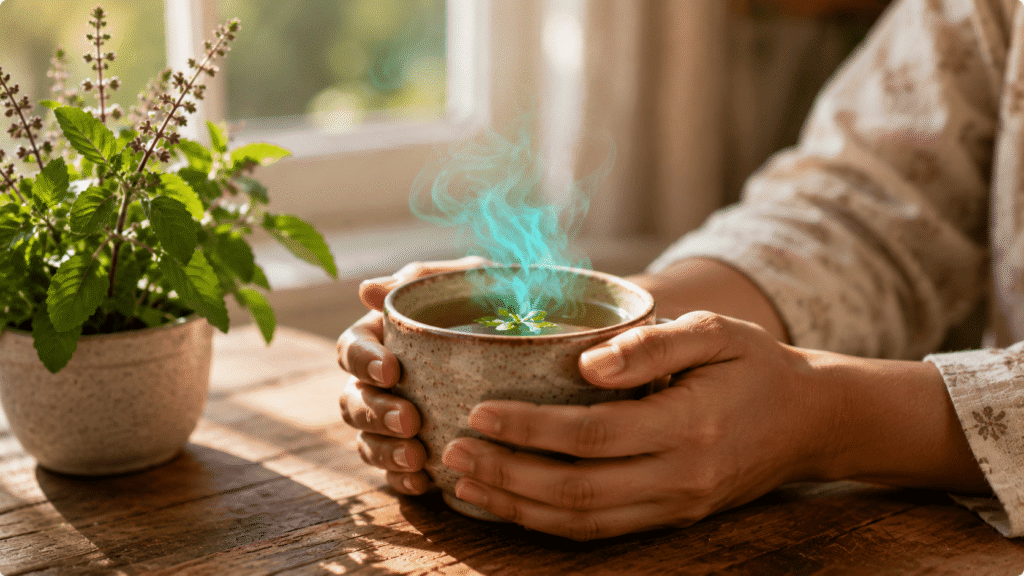
Stress support is one of the more interesting areas of research into tulsi benefits.
One randomized, double-blind, placebo-controlled study involving 100 adults examined a standardized Ocimum tenuiflorum extract over eight weeks. Researchers reported improvements in measures associated with stress, mood, and sleep compared with the placebo.
This doesn’t mean tulsi treats an anxiety disorder. It suggests that certain standardized preparations may have a role in supporting people dealing with everyday psychological stress.
2. Metabolic health
Another area being investigated is metabolic health. Research has looked at tulsi in relation to blood glucose, cholesterol, and other metabolic markers.
These findings contribute to the growing discussion around tulsi benefits, but they aren’t enough to recommend holy basil as a replacement for diabetes treatment or prescribed medication. Anyone taking glucose-lowering medication should discuss concentrated tulsi products with their healthcare professional.
3. Cardiovascular health
Some clinical studies have explored blood pressure, cholesterol, and other cardiovascular measurements.
The findings are encouraging enough to justify further research, but they don’t establish tulsi as a treatment for hypertension or heart disease. If you already take medication for blood pressure or cholesterol, don’t replace or reduce it based on herbal advice.
4. Antioxidant and anti-inflammatory activity
Laboratory and animal studies suggest that compounds found in tulsi have antioxidant and anti-inflammatory properties. These findings may help explain some of the traditional interest in tulsi benefits.
Human evidence is still more limited. Claims that tulsi can prevent or cure inflammatory diseases therefore go beyond what current clinical evidence supports.
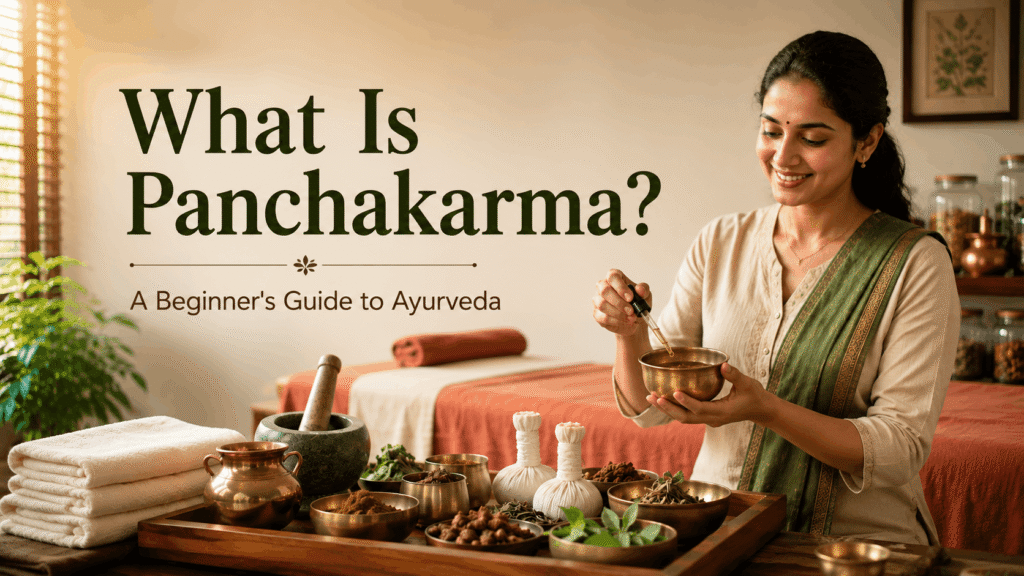
🌿 Explore Deeper Ayurvedic Care
Want to learn how Ayurveda purifies the body from within?
Discover how classical purification therapies work alongside daily herbs like tulsi and turmeric in our complete guide:
5. Traditional respiratory and digestive uses
Traditional tulsi benefits include its use for seasonal respiratory discomfort and digestive complaints. Many families prepare tulsi as a warm tea, particularly during colder months.
A warm herbal drink can certainly be comforting, but persistent cough, breathing difficulty, high fever, severe abdominal pain, or ongoing digestive symptoms should be assessed by a healthcare professional.
Tulsi Uses: Tea, Leaves, Drops and Extracts
Tulsi benefits can vary depending on how the herb is prepared. Fresh leaves, tea, powders, tinctures, and standardized extracts aren’t interchangeable.
Fresh tulsi leaves are commonly eaten in small amounts or added to food. Tulsi tea is another simple preparation, usually made by steeping fresh or dried leaves in hot water.
Concentrated products are different. A capsule or liquid extract can provide considerably more plant material than a cup of tea. Clinical studies also use particular extracts and doses, meaning you shouldn’t automatically copy a research dose onto another product.
The form of tulsi matters when you’re thinking about tulsi benefits, safety, and dosage.
How to use tulsi for seasonal cough and throat comfort
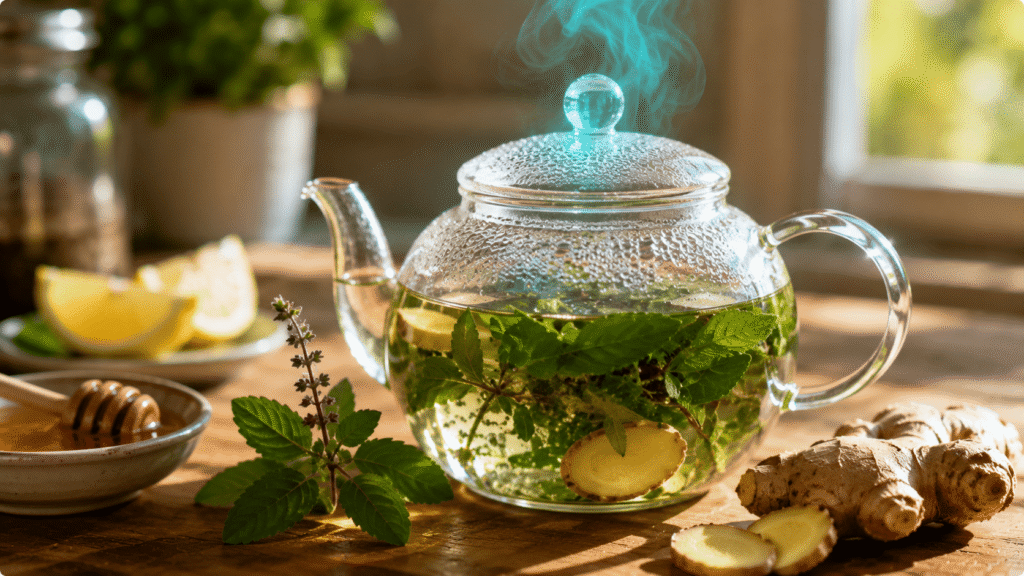
Traditional tulsi benefits include its use in warm herbal preparations for seasonal throat and respiratory comfort.
You can prepare tulsi tea by steeping clean fresh leaves or dried tulsi in hot water. Some people combine it with ginger or honey according to their dietary preferences.
Tulsi tea may be soothing, but it isn’t a substitute for medical care. Seek professional advice for persistent coughing, wheezing, chest pain, shortness of breath, or a high fever.
🍵 Complementary Herbal Remedies
Pairing Tulsi with Ginger for Seasonal Immunity?
Learn about the synergistic benefits, safe dosage, and precautions of combining daily herbs in our detailed article:
How to use tulsi drops
Tulsi drops can vary significantly from one product to another. One bottle may contain a simple leaf extract, while another may combine tulsi with several other herbs.
Check the label for:
- Botanical name
- Amount per serving
- Extract concentration
- Other ingredients
- Recommended serving
- Manufacturer information
When considering tulsi benefits from concentrated drops, don’t assume that a larger amount will provide better results.
If you’re pregnant, breastfeeding, taking medication, preparing for surgery, or managing a chronic condition, ask your healthcare professional before using concentrated tulsi products.
How many tulsi leaves can you eat daily?
There isn’t one universally established medical dose for fresh tulsi leaves.
Traditional food use is different from therapeutic supplementation. Human studies have used different preparations and amounts, and researchers have noted the need for better evidence regarding dosage and long-term safety.
For ordinary food use, modest quantities are more reasonable than treating fresh leaves as a concentrated supplement. If you’re considering daily therapeutic use, personalized advice from a qualified healthcare professional or Ayurvedic practitioner is preferable.
Tulsi Dosage, Side Effects and Safety
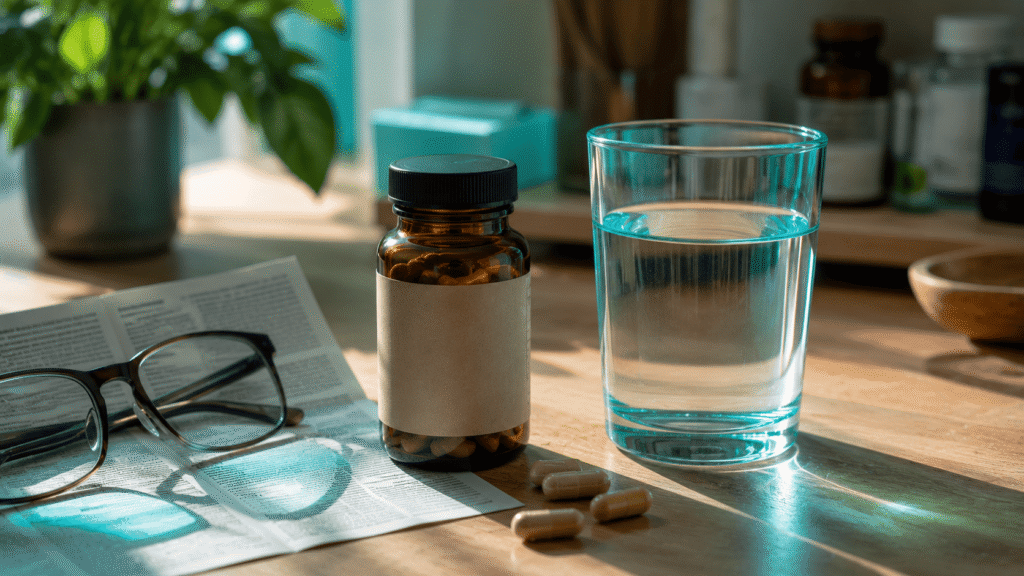
Tulsi dosage depends on the preparation. A few fresh leaves, a cup of tea, a powdered product, and a standardized extract cannot be treated as equivalent amounts.
This is one of the most important points to remember when researching tulsi benefits. A clinical study may use a specific standardized extract that isn’t comparable with the tulsi sitting in your kitchen.
One human study investigating stress used 125 mg of a standardized Ocimum tenuiflorum extract twice daily for eight weeks. Other studies have used different formulations and doses.
That research dose should not be treated as a personal prescription.
What are the possible tulsi side effects?
Available short-term clinical research suggests tulsi is generally well tolerated in the studied preparations, although occasional digestive symptoms such as nausea have been reported. The available research also has limitations, particularly around long-term use.
Possible concerns with concentrated tulsi products include:
- Nausea or digestive discomfort
- Changes in blood glucose
- Changes in blood pressure
- Medicine interactions
- Unknown long-term effects
- Contamination or inaccurate supplement labeling
The safety of an herbal product also depends on manufacturing quality. The National Center for Complementary and Integrative Health notes that herbal supplements can interact with medicines and may carry contamination concerns.
Who should be cautious with tulsi?
Extra caution is appropriate during pregnancy and breastfeeding because safety data for concentrated holy basil preparations are limited.
You should also discuss concentrated tulsi use with a healthcare professional if you:
- Take diabetes medication
- Take blood pressure medication
- Take several prescription medications
- Are preparing for surgery
- Are pregnant or breastfeeding
- Have a chronic health condition
- Regularly use multiple herbs or supplements
Food level use and concentrated supplementation are different situations. This distinction matters when assessing both tulsi benefits and potential risks.
🛡️ Evidence-Based Supplement Safety
Navigating Herbal Interactions & Quality Standards
To evaluate supplement contamination risks, manufacturing standards, and prescription drug interactions, consult the official guide from the
National Center for Complementary and Integrative Health (NCCIH).
Choosing Tulsi for Your Daily Routine
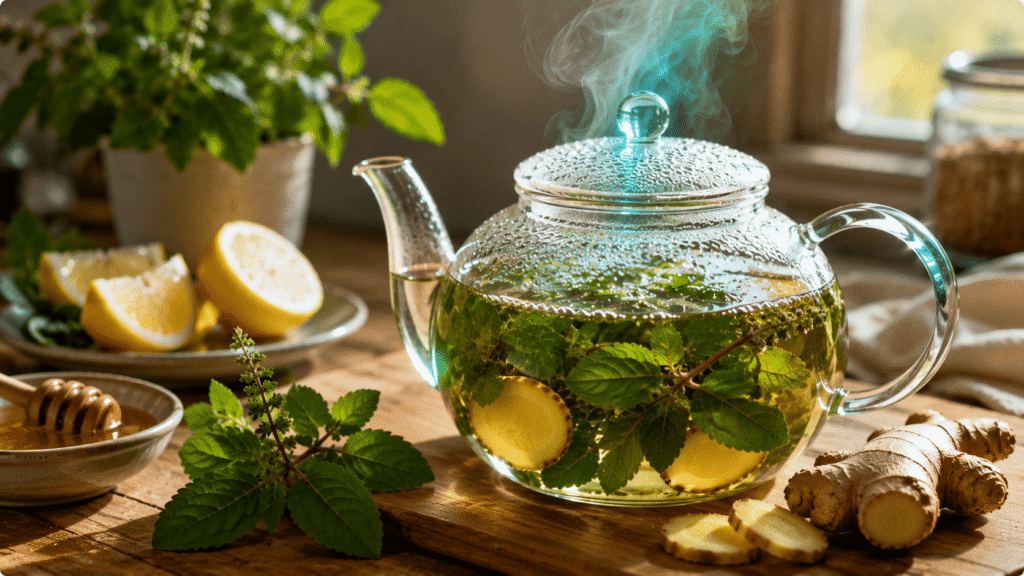
The most useful tulsi benefits are the ones that fit your actual health needs rather than a long list of claims on a supplement label.
For general wellness, tulsi tea or modest culinary use may be enough for many healthy adults. If you’re considering capsules, powders, drops, or extracts for a specific health concern, look for a product that clearly identifies the botanical name, plant part, amount, extraction method, and additional ingredients.
Product quality matters because herbal supplements aren’t manufactured identically. When you’re comparing tulsi benefits across different products, remember that two bottles labeled “holy basil” may contain very different preparations.
A practical approach looks like this:
| Your goal | Common preparation | What to consider |
|---|---|---|
| Everyday herbal drink | Fresh or dried leaves | Food style usage |
| Seasonal throat comfort | Tulsi tea | Seek care for persistent symptoms |
| Targeted supplementation | Standardized extract | Check dosage and interactions |
| Tulsi drops | Liquid extract | Follow the product label |
| Ayurvedic formulation | Practitioner selected formula | Consider your individual needs |
If you’re already taking medication, don’t add a concentrated tulsi supplement simply because it’s described as natural. Herbs can affect the body and may interact with medicines.
A sensible way to use tulsi
Think of tulsi as supportive herbal care rather than a replacement for diagnosis or treatment.
For someone who enjoys a cup of tulsi tea, the situation is very different from someone taking a concentrated extract alongside several prescription medicines. The preparation, amount, health history, and reason for use all matter when deciding whether the potential tulsi benefits are worth pursuing.
Conclusion
Tulsi benefits have a long history in Ayurveda and are now being studied through modern clinical research. The strongest areas of interest include stress support and certain metabolic and cardiovascular measures, although the evidence remains developing.
Tulsi uses range from fresh leaves and tea to powders, drops, and standardized extracts. Because these preparations vary in concentration, tulsi dosage should always be considered alongside the product form and your personal health situation.
The potential tulsi benefits don’t make the herb automatically risk-free. Pay attention to medicine interactions, pregnancy and breastfeeding precautions, product quality, and possible side effects.
For everyday use, a simple preparation may be all you need. For concentrated supplementation or a specific health concern, professional guidance is a much safer starting point.
Footer code:
 |
Ready for Natural Health & Vitality?Experience personalized Ayurvedic healing & Panchakarma tailored to your body type (Prakriti). Body • Mind • Spirit |
|
📍 Location: SA 6/168 Old RTO Office Chauraha, Sarnath, Ganapati Nagar, Ashapur Road, Pahariya, Sarnath-221007, Uttar Pradesh 📞 Contact: +91 96822 22121 ✉️ Website: vedicpanchakarma.com 🕒 Hours: Open 24 Hours |
Frequently Asked Questions
Is tulsi the same as regular basil?
No. Tulsi, commonly called holy basil, is generally Ocimum tenuiflorum. Culinary sweet basil is usually Ocimum basilicum. They belong to the same plant family but are different plants.
Can tulsi be grown indoors?
Yes. Tulsi can grow indoors with adequate sunlight, warmth, suitable soil, and careful watering. A bright sunny window can work well.
Does boiling tulsi destroy its beneficial compounds?
Heat can affect individual plant compounds, but warm infusion remains a common way to prepare tulsi. Longer boiling doesn’t necessarily mean a stronger or better preparation.
Can children take tulsi supplements?
Concentrated tulsi supplements shouldn’t be given to children without advice from a pediatrician or qualified healthcare professional because paediatric safety evidence is limited.
Can tulsi be combined with other Ayurvedic herbs?
It depends on the herbs, amounts, and the person’s health situation. Combining multiple concentrated botanicals may increase the chance of interactions or unwanted effects, so professional guidance is sensible when using therapeutic preparations.
Does tulsi contain caffeine?
Plain tulsi does not naturally contain caffeine like Camellia sinensis tea does. However, some commercial herbal blends may contain other caffeinated ingredients, so check the ingredient list if you’re limiting caffeine.

 Old RTO Chauraha, Sarnath, Varanasi 221007